Move-In vs Move-Out: Documenting the Difference That Wins a Deposit Dispute
A deduction is never about how the unit looks at move-out. It is about how much it changed. Here is how to document both walkthroughs so the difference between them is obvious and holds up.
Posted by
 William H. Mason
Related reading
Documenting a Property Condition for a New Tenant
The day a new tenant gets the keys is the one moment a unit's condition is undisputed. Here is how to document it so the move-in record protects your deposit, prevents disputes, and starts the tenancy fair.
How to Handle a Security Deposit Dispute
When a tenant disputes your deposit deductions, the outcome comes down to your records and your deadline. Here is how to handle a dispute, step by step, and how to win one.
Itemizing Security Deposit Deductions So They Hold Up
A deposit deduction is only as strong as the itemized statement behind it. Here is how to build each line so it survives a dispute: the damage, the dated proof, the real cost, and the deadline.
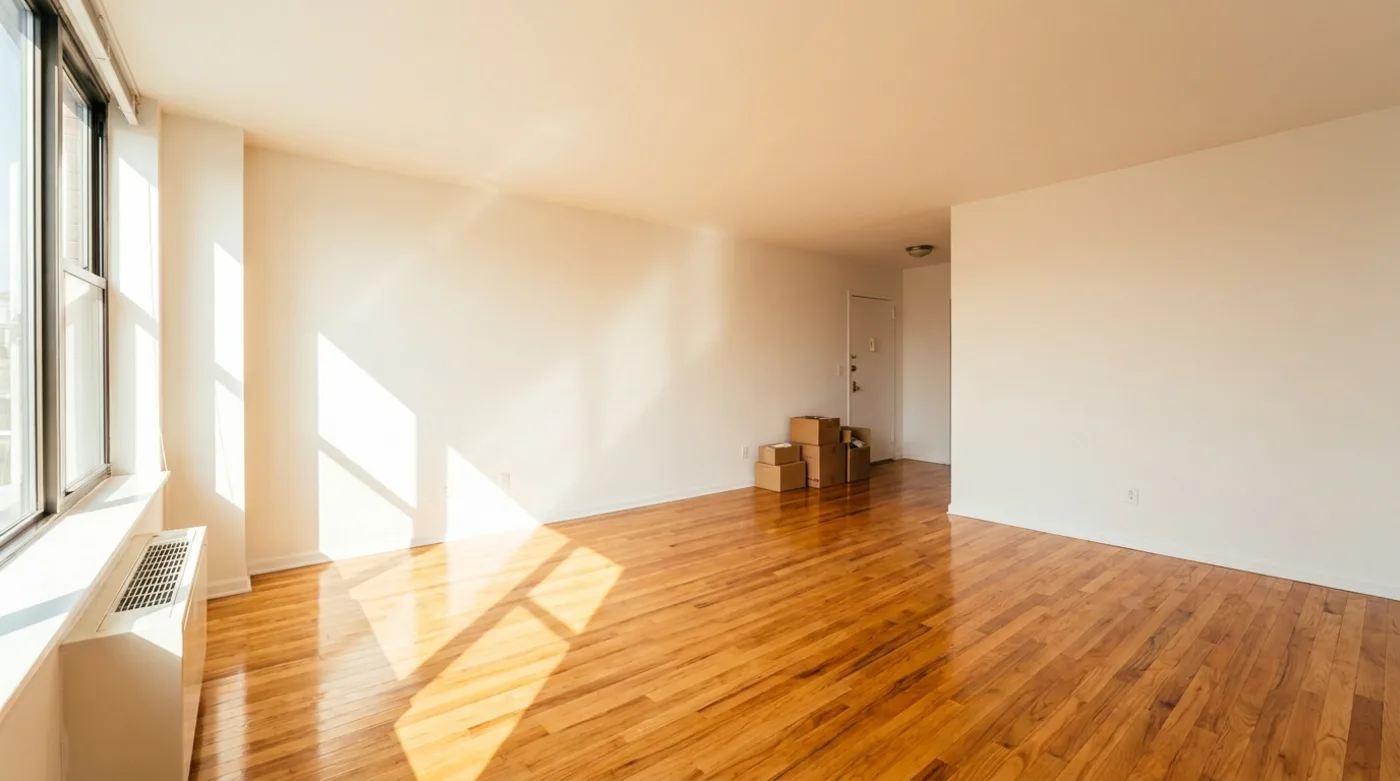
Most deposit disputes are lost long before move-out day. They are lost at move-in, when nobody wrote down what the unit actually looked like.
A deduction is never really about how a unit looks the day the tenant leaves. It is about how much that unit changed while they lived there. If you cannot show the starting point, the ending point proves nothing on its own.
That is the whole game: the difference between move-in and move-out. Get both halves on the record, in a form anyone can compare, and a disputed deduction stops being your word against theirs. This guide walks through how to document each walkthrough so the gap between them is obvious.
Why You Need the Pair, Not Just One Walkthrough
A single walkthrough, no matter how thorough, only tells half the story. Move-out photos by themselves show a scratched floor, but not whether the scratch was already there. Move-in photos by themselves show a clean floor, but not what happened to it.
The proof lives in the comparison. A dated move-in photo of an unmarked wall, set beside a dated move-out photo of the same wall with a hole in it, is hard to argue with. Either photo alone is just a snapshot. Together they are a timeline.
This is why a baseline matters more than people expect. The move-in record is not paperwork you do to be thorough. It is the reference point that every later deduction is measured against, and without it you are deducting from memory.
The Line You Are Actually Documenting: Wear vs Damage
You cannot deduct for normal wear and tear. You can deduct for damage beyond it. The entire point of comparing move-in to move-out is to show which side of that line a given change falls on.
Normal wear is the gradual, expected aging of a unit that is simply lived in. Faded paint, light carpet traffic, and a few small nail holes are wear. A large stain, a cracked tile, a hole in the drywall, or a pet-chewed door frame is damage. Resources like Nolo's guide to cleaning and repair deductions lay out how courts tend to draw that distinction.
The reason this gets contentious is that the line is a judgment call, and judgment calls need evidence. A before-and-after pair turns an opinion into something visible. It lets you show that a carpet went from clean to torn, rather than asking a tenant to accept that it was your call.
How to Document Move-In So It Sets a Real Baseline
The move-in record only works if it is specific. A note that says "unit in good condition" protects no one, because it does not establish the condition of anything in particular.
Walk the unit room by room before the tenant's belongings arrive, while everything is empty and visible. Photograph each surface that could plausibly be disputed later: floors, walls, counters, appliances, fixtures, and the inside of cabinets. Capture the things that are already imperfect just as carefully as the things that are pristine, because documenting an existing scuff protects the tenant and keeps the whole record credible.
- Shoot wide, then close. A wide shot shows the room, a close shot shows the detail you will reference if that spot is challenged.
- Note existing flaws explicitly. A pre-existing chip in the tub recorded at move-in is a chip you can never be blamed for later.
- Keep a consistent order. Walking the same path every time makes the move-out comparison line up cleanly.
- Get the tenant to acknowledge it. A move-in record the tenant has reviewed and agreed to is far stronger than one they never saw.
A structured starting point helps here. Our free move-in and move-out checklist covers the rooms and items most landlords forget, so the baseline you set is complete rather than whatever you happened to remember to photograph.
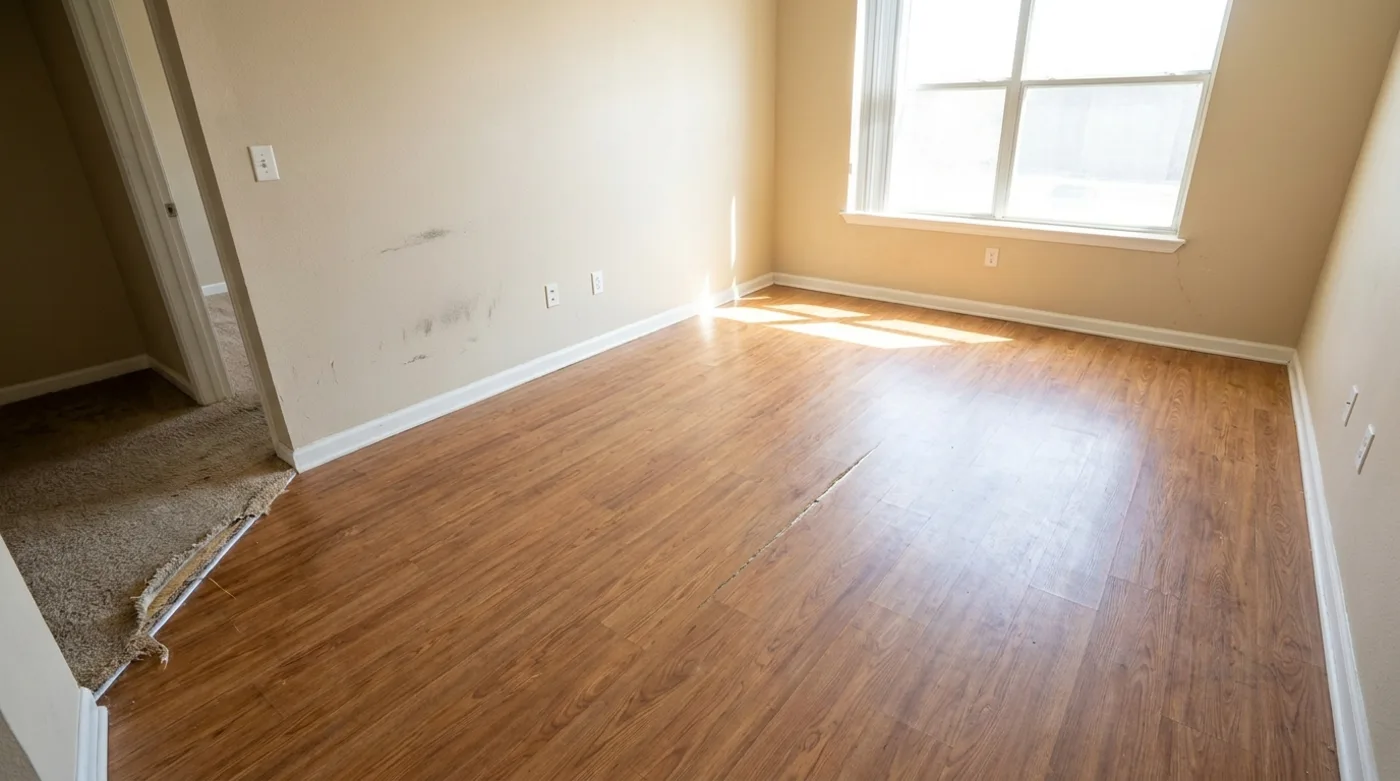
How to Document Move-Out So It Mirrors Move-In
Move-out documentation is where most landlords get sloppy, usually because they are rushing to turn the unit around. The fix is simple: mirror the move-in walkthrough exactly.
Use the same room order, the same surfaces, and the same camera angles you used at move-in. The closer the move-out photos match the framing of the move-in photos, the more obvious any change becomes. A pair of photos taken from the same spot, months apart, is the single most persuasive thing in a deposit file.
Then document the difference, not just the current state. For each issue you intend to deduct for, you want three things on the record: the move-in photo, the move-out photo, and a short note describing what changed. That trio is what turns a deduction into a comparison a tenant, or a judge, can verify for themselves.
The Clock Starts at Move-Out
Once the tenant is out, you are on a deadline, and the comparison you built is what fills the itemized statement you owe them. Most states require you to return the deposit, minus documented deductions, within a set number of days, with an itemized list of what you kept and why.
The exact window varies by state and the deadlines are strict. California gives a landlord 21 days and requires receipts for larger deductions, as the California Courts self-help guide explains. Texas sets a 30-day window for the itemized statement, described by the Texas State Law Library, and the general framework of who must prove what is covered in the landlord-tenant overview at the Cornell Legal Information Institute.
Miss the deadline or send a vague list and you can forfeit the right to keep any of the deposit. A move-in and move-out pair makes that statement quick to write, because each line is already backed by two photos and a note. Keeping organized records is also part of running a rental responsibly, which the federal HUD tenant rights resources treat as a baseline expectation.
Where the Comparison Breaks Down
Even landlords who take photos at both ends often end up with a pair that does not actually compare. A few habits cause most of the trouble.
- Different things get photographed. The move-in shots cover the kitchen, the move-out shots cover the bedroom, and the one surface in dispute appears in neither.
- The dates are unclear. Photos sit in a camera roll with no obvious date attached to the record, so you cannot prove when each was taken.
- The wording drifts. Move-in says "floor: fine," move-out says "laminate scratched near window," and the two notes are describing the same spot in language that does not line up.
- The records live in two places. The move-in file is in one app and the move-out file is in another, so nobody ever sets them side by side.
Every one of these is a structure problem, not an effort problem. When move-in and move-out are captured in the same format, in the same order, with dates attached automatically, the comparison assembles itself instead of falling apart.
The Same Tile, Two Records
Picture a cracked bathroom tile at move-out. You are confident it was intact when the tenant moved in, and you want to deduct the repair.
In the weak record, you have a move-out photo of the crack and a strong memory of an intact floor. Your move-in photos focused on the living room, and the bathroom only appears in the corner of one blurry shot. The tenant says the tile was already cracked, and you have nothing dated that clearly shows otherwise. The deduction comes down to who sounds more certain.
In the strong record, you open the move-in report and there is a dated, framed photo of that exact tile, intact. Beside it sits the move-out photo of the same tile, cracked, taken from the same angle, plus a one-line note. The tenant acknowledged the move-in condition through a shared link when they got the keys. There is nothing left to argue about, because the difference is right there to see.
What to Capture at Both Ends
If you want the move-in and move-out pair to hold up, the checklist below is the core of it. None of it is complicated, but skipping any line is where pairs fall apart.
- The same rooms and the same surfaces at both ends, in the same order.
- A dated photo for every surface you might ever deduct against, not just the ones that look bad.
- A short written note paired with each photo describing the condition in plain words.
- A tenant acknowledgement of the move-in condition, captured before they move their things in.
- One place that holds both walkthroughs, so the before-and-after never lands in separate files.
Property records have a long shelf life beyond any single tenancy, which the rental-property guidance in IRS Publication 527 is a useful reminder of. A clean move-in and move-out pair belongs in that durable file alongside leases and receipts.
Make the Comparison Automatic
The reason move-in and move-out records drift apart is almost always the tooling, not the landlord. Photos in a camera roll and notes in a spreadsheet were never going to line up on their own.
A property inspection app closes that gap by keeping each finding tied to its dated photo and using the same structure at both ends, so the before-and-after is the default rather than something you assemble by hand. When you are ready, you can turn your move-in and move-out photos into a paired condition report that pairs every finding with its picture. If you are still deciding how to organize all of this, our comparison of a property inspection app versus a spreadsheet walks through why the format you choose decides whether the comparison ever happens.
It is worth saying plainly what the report is and is not. It is structured condition documentation you create from your own photos, reviewed and edited by you before it is final. It is not a licensed or professional home inspection or appraisal, and it is not a substitute for one.
For the details of what each finding should contain before you build the pair, our guide on how to write a property condition report covers it room by room. Do the move-in walkthrough properly, mirror it at move-out, and the difference between them will do the arguing for you, so you can keep dispute-ready move-out records without scrambling on the day the keys come back.
Turn your next walkthrough into a clean report
Snap photos at move-in, move-out, or a routine inspection and get a branded condition report you can hand a tenant or keep on file.
✓ Review every finding before you finalize ✓ Web report and PDF ✓ Cancel anytime
Frequently Asked Questions
Yes. A deduction is based on how much a unit changed, not how it looks at the end. Without a dated move-in baseline, a move-out photo cannot show whether the damage happened during the tenancy, so the pair is what actually proves a deduction.
Normal wear is the gradual, expected aging of a lived-in unit, like faded paint or light carpet traffic, and you cannot deduct for it. Damage is beyond that, like a hole in a wall or a cracked tile. A move-in and move-out comparison is how you show which side of that line a given change falls on.
It depends on your state, and the deadlines are strict. Many states require an itemized statement within 21 to 30 days of move-out, and missing it can cost you the right to keep any of the deposit. Check your state's specific rule.
No. It is structured condition documentation a landlord or property manager creates from their own photos, and you review and edit every finding before it is final. It is not a licensed or professional home inspection or appraisal, and it does not replace one.