How to Write a Property Condition Report (With a Free Template)
A clear, dispute-ready property condition report protects your deposit decisions. Here is what to record at move-in and move-out, room by room, and how to keep it.
Posted by
 William H. Mason
Related reading
Free Property Condition Report Template (Room-by-Room)
A free, printable property condition report template broken down room by room, with the sections, photo rules, and signature step that hold up in a deposit dispute.
Documenting a Property Condition for a New Tenant
The day a new tenant gets the keys is the one moment a unit's condition is undisputed. Here is how to document it so the move-in record protects your deposit, prevents disputes, and starts the tenancy fair.
How to Handle a Security Deposit Dispute
When a tenant disputes your deposit deductions, the outcome comes down to your records and your deadline. Here is how to handle a dispute, step by step, and how to win one.
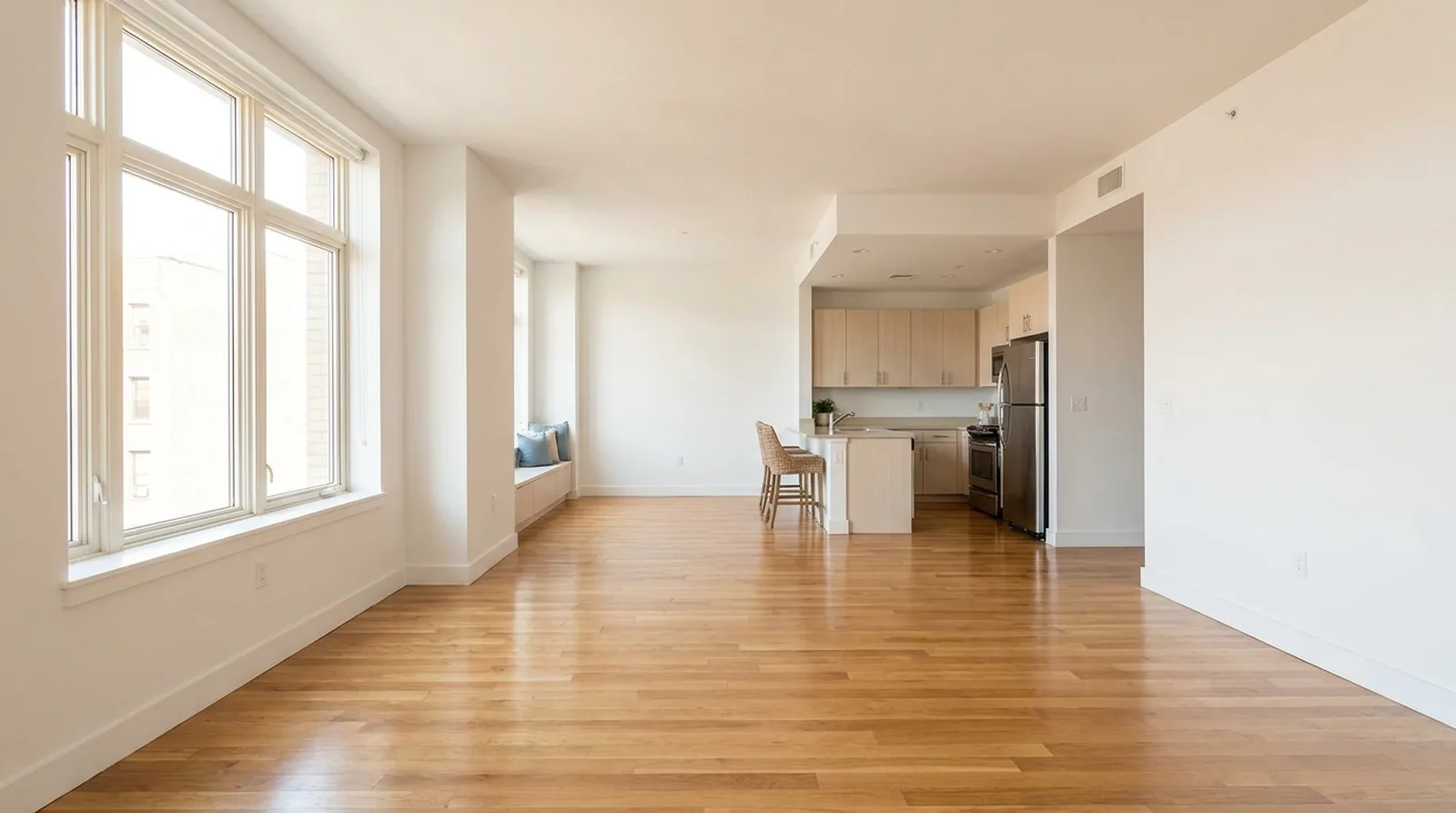
Most deposit disputes are not really about a stain on the carpet. They are about whether anyone wrote the stain down before the tenant moved in.
A property condition report is the document that answers that question. It records the state of a unit at a fixed point in time, room by room, so that when the tenancy ends you can compare the before and after instead of arguing from memory.
This guide walks through what a strong condition report contains, how to fill one out at move-in and move-out, and how to keep it in a form that holds up if the deposit is ever challenged.
What a Property Condition Report Actually Is
A condition report is a dated, itemized record of the state of a rental. It is not a licensed home inspection or an appraisal, and it does not need to be one to do its job.
Its only purpose is to describe what the unit looked like on a specific day, with enough detail and enough photos that two people who disagree later can still agree on the starting point. A good property condition report is specific, photographed, and signed by both parties.
That documentation matters because deposit rules in most states turn on the difference between normal wear and tenant damage. Resources like Nolo's security deposit overview and the landlord-tenant summaries from the Cornell Legal Information Institute make clear that the burden usually sits with the landlord to show a deduction is justified.
What to Include, Room by Room
Work through the unit in a consistent order and record the same fields for every space. The point is repeatability, so that move-out reads exactly like move-in. If you want that structure ready to fill in, our room-by-room property condition report template lays out every section in order.
- Floors: type, wear, stains, scratches, and any loose or damaged sections.
- Walls and ceilings: marks, holes, paint condition, and water staining.
- Doors, windows, and locks: operation, glass, screens, and hardware.
- Kitchen: counters, cabinets, sink, and every appliance with its model and serial number.
- Bathrooms: fixtures, caulking, grout, ventilation, and signs of moisture.
- Safety items: smoke and carbon monoxide detectors, and their test dates.
Capture appliance model and serial numbers while you are standing in front of them. That detail is hard to reconstruct later and it settles questions about whether an appliance was swapped or removed during the tenancy.
If the building was constructed before 1978, your records should also reflect the federal lead-based paint disclosures described by the EPA's real estate disclosure rules. The condition report is a natural place to note that those disclosures were provided.
Photograph Everything, and Date It
Written notes describe condition, but photos prove it. Take a wide shot of each room plus a close-up of anything already worn or damaged, and make sure the date is preserved.
Photos taken on a phone carry a timestamp in their metadata, which is exactly why phone documentation has become the practical standard for landlords. The goal is a set of images clear enough that nobody has to take your word for the starting condition.
Keep the photos attached to the report itself rather than scattered across a camera roll. A record that pairs each note with its picture is far easier to rely on than a folder of loose images you have to match up months later.
Match Move-In to Move-Out
A condition report only earns its keep when you complete it twice: once before the tenant takes possession, and once after they leave. The two versions, side by side, are what justify keeping or returning a deposit.
Have the tenant review and sign the move-in version. A signed move-in record is the single strongest piece of evidence in a deposit dispute, because it shows the tenant agreed to the starting condition.
If you want a simple starting point for the walkthrough itself, our free move-in and move-out checklist covers the rooms and items most landlords forget. From there you can turn your walkthrough photos into a branded report that pairs each finding with its picture automatically.
Keep the Record Where You Can Find It
A condition report is only useful if you still have it at move-out, often a year or more later. Store it somewhere durable and backed up, not on a single phone that might be lost or replaced.
Tax and ownership records have their own retention logic, and the rental-property guidance in IRS Publication 527 is a useful reminder that property documentation tends to matter long after the fact. Your condition reports belong in that same long-term file.
For a broader view of your obligations as a landlord, the federal HUD tenant rights resources are a good baseline, alongside your own state and local statutes. Good documentation is what lets you meet those obligations without a fight.
Turn your next walkthrough into a clean report
Snap photos at move-in, move-out, or a routine inspection and get a branded condition report you can hand a tenant or keep on file.
✓ Review every finding before you finalize ✓ Web report and PDF ✓ Cancel anytime
Frequently Asked Questions
No. A condition report is a dated record of how a rental looked at a point in time, written by the landlord or property manager. A home inspection is a separate professional assessment. A condition report does not replace one and does not need to.
They do not have to, but a signed move-in report is far stronger evidence than an unsigned one. Asking the tenant to review and sign it confirms they agreed to the starting condition, which is exactly what protects you in a deposit dispute.
Keep it at least until the deposit is fully resolved after move-out, and longer if your state sets a statute of limitations on deposit claims. Many landlords keep them for several years alongside their tax and property records.
Normal wear is the gradual, expected aging of a unit from ordinary use, such as light carpet wear or minor scuffs. Damage is harm beyond that, like large stains, holes, or broken fixtures. A clear before-and-after condition report is what lets you tell the two apart.