What a Tenant Move-Out Inspection Should Cover
A move-out inspection is only as good as what it checks. Here is the room-by-room and system-by-system coverage that keeps a walkthrough from missing the things deductions actually hinge on.
Posted by
 William H. Mason
Related reading
Documenting a Property Condition for a New Tenant
The day a new tenant gets the keys is the one moment a unit's condition is undisputed. Here is how to document it so the move-in record protects your deposit, prevents disputes, and starts the tenancy fair.
Move-In vs Move-Out: Documenting the Difference That Wins a Deposit Dispute
A deduction is never about how the unit looks at move-out. It is about how much it changed. Here is how to document both walkthroughs so the difference between them is obvious and holds up.
Periodic Rental Inspections: How Often and What to Record
Routine mid-tenancy inspections catch small problems before they get expensive. Here is how often to inspect a rental, how to give proper notice, and exactly what to record each time.
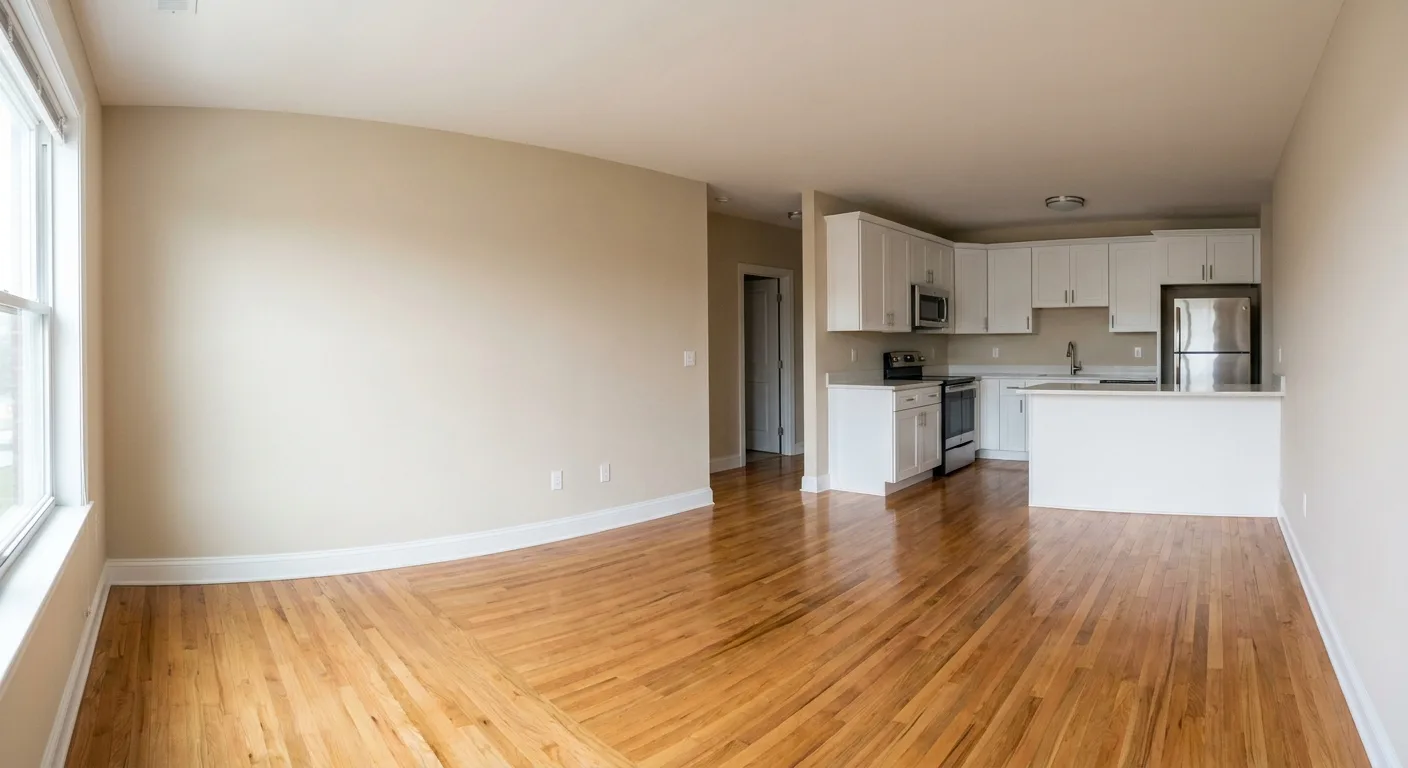
A move-out inspection is the last chance to put a unit's condition on the record before the keys change hands. Do it well and any deduction you make is backed by evidence. Do it as a quick glance from the doorway and you are deducting on memory.
The difference is almost always coverage. The disputes that go badly are rarely about a surface the landlord checked carefully. They are about the one room, fixture, or system nobody thought to look at until it was too late.
This guide is a coverage map. It walks through what a move-out inspection should actually check, area by area, so the walkthrough is complete instead of whatever you happened to remember on the day.
What a Move-Out Inspection Is Actually For
A move-out inspection has one job: to document the condition of the unit at the end of the tenancy so it can be compared to the condition at the start. The inspection itself is not the deduction. It is the evidence the deduction rests on.
That means every area you check is really a comparison waiting to happen. You are not asking "does this look bad," you are asking "is this different from move-in, and is the difference beyond normal wear." You cannot deduct for normal wear and tear, only for damage past it, a line that Nolo's guide to cleaning and repair deductions explains in detail.
So the goal of full coverage is not to catch the tenant out. It is to make sure that for any item that might be disputed, you have a dated record at both ends. Anything you skip at move-out is an item you can never deduct for fairly.
Time It Right and Give Notice
The inspection should happen after the tenant has fully moved out and the unit is empty, so nothing is hidden behind furniture. An empty room is the only way to see baseboards, closet floors, and the wall behind where the couch sat.
Many states also let the tenant be present, and some require you to offer an inspection before the lease ends. Inviting the tenant to walk through with you is good practice regardless, because a finding the tenant saw and acknowledged is far harder to dispute later. The federal HUD tenant rights resources treat clear, fair process as a baseline expectation.
Walls, Ceilings, Floors, and Doors
Start with the surfaces that make up most of the unit, because they are also where most deductions come from. Check each wall and ceiling for holes, large or unusual stains, unapproved paint colors, and anchors left behind from heavy shelving.
Small nail holes from hanging pictures are usually normal wear. A cluster of large anchor holes, a crayon mural, or a punched-in section of drywall is damage. The job is to photograph each one and note what it is, not to decide the dollar figure on the spot.
- Floors: scratches, gouges, burns, pet stains, water damage, missing or curling tiles, and torn or heavily soiled carpet.
- Doors: holes, broken hinges, missing stops, pet scratching at the base, and any door that no longer latches.
- Trim and baseboards: water swelling, chunks knocked out, and sections pulled away from the wall.
- Closets: shelf damage, rod brackets torn out, and floor staining that the move-in walkthrough should be checked against.
The Kitchen
The kitchen hides more chargeable damage than any other room because so much of it is inside things. A glance says the kitchen is clean. Opening the oven, the fridge, and every cabinet tells the real story.
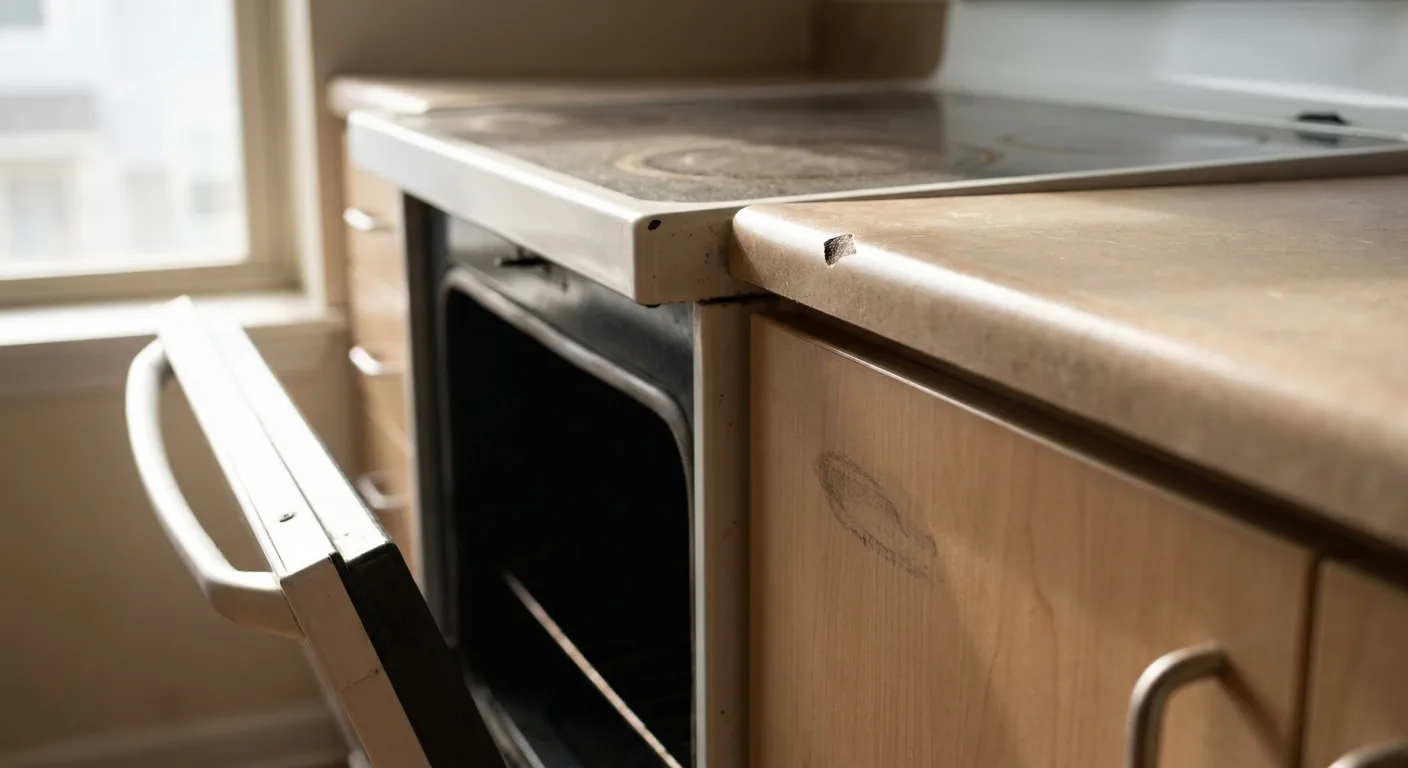
Pull out and look behind the range and refrigerator, since grease buildup and floor damage live there. Open the oven, the broiler drawer, and the dishwasher and check whether they are clean and working. Run the garbage disposal and the faucet, and look under the sink for leaks, water staining, and warped cabinet bottoms.
- Counters: chips, burns, deep cuts, and lifted laminate edges.
- Cabinets: broken hinges, missing doors or shelves, water damage, and scuffs that go past normal wear.
- Appliances: each one tested, plus any that are damaged, missing, or left filthy enough to need a professional clean.
- Sink and disposal: leaks, cracks, a disposal that grinds, and a faucet that does not drip.
Bathrooms
Bathrooms are small but dense with things that fail, and moisture is the theme. Check the toilet for a secure base and no running or leaking, and the sink and tub for cracks, chips, and stains that will not come clean.
Look closely at caulk and grout, because dark, peeling, or missing grout often signals a moisture problem behind it. Run the exhaust fan and confirm it actually pulls air. Any sign of recurring mold deserves a careful note, since moisture and mold are a real habitability concern that the EPA's guidance on mold and health treats as more than a cosmetic issue.
- Fixtures: chips and cracks in the tub, sink, and toilet, and any hardware that is loose or missing.
- Grout and caulk: gaps, dark staining, and soft spots that point to water getting behind the surface.
- Ventilation: an exhaust fan that runs and clears steam rather than sitting silent.
- Under the sink: leaks, staining, and a cabinet floor that is dry and solid.
Windows, Systems, and Safety
Past the obvious rooms, a complete inspection covers the parts of the unit a tenant rarely thinks about but is still responsible for. Windows and their screens, blinds, and locks are a common gap, since a cracked pane or a missing screen is easy to overlook and easy to dispute later.
Then check the systems and safety items, because these protect you on liability as much as on deductions. Smoke and carbon monoxide detectors should be present and working, which is a legal requirement in most places and part of the basic habitability framework described in the landlord-tenant overview at the Cornell Legal Information Institute.
- Windows: cracked or broken glass, torn or missing screens, broken latches, and damaged or missing blinds.
- Detectors: smoke and carbon monoxide units present, mounted, and responding to the test button.
- HVAC: a clean or replaced filter, vents that are clear, and heating and cooling that turn on.
- Water heater and plumbing: no active leaks, and a water heater area free of rust and pooling.
The Things That Are Easy to Miss
Most incomplete move-out inspections fail in the same predictable places. These items rarely show up in a quick walkthrough, yet they are some of the most expensive to put right after the tenant is gone.
- Odors: lingering smoke or pet smell that a paint-and-clean will not fully remove.
- Pet damage: chewed trim, scratched doors, urine staining in carpet padding, and yard digging.
- Trash and belongings: items left behind that you have to pay to haul away.
- Outdoor and shared space: a patio, balcony, garage, or assigned storage that is part of the lease.
- Keys and access: every key, fob, garage remote, and mailbox key returned and accounted for.
None of these are hard to check. They get missed because an inspection without a fixed list tends to stop at the rooms that are obvious and skip the ones that are not. A consistent checklist is what closes that gap.
Record Each Finding So It Holds Up
Coverage only matters if the record survives a disagreement. For each item you flag, three things belong together: a clear dated photo, a short note in plain words, and a link back to how the same spot looked at move-in.
That last piece is what separates a deduction from an opinion. A move-out photo of a scratched floor proves a scratch exists, not that the tenant caused it. Paired with the move-in photo of the same floor, it shows the change, which is the whole argument. Our guide on documenting the difference between move-in and move-out covers how to build that pair, and our walkthrough of how to write a property condition report covers what each finding should say.
A structured list keeps you from skipping areas under time pressure. Our free move-in and move-out checklist lays out the rooms and items above so the walkthrough is the same every time, which is exactly what makes the move-in and move-out records comparable.
Then the Clock Starts
The moment the tenant is out, you are on a deadline to return the deposit minus any documented deductions, with an itemized statement of what you kept and why. The window is short and the rules are strict.
California gives a landlord 21 days and requires receipts for larger repairs, as the California Courts self-help guide explains. A thorough, well-documented inspection makes that statement quick to write, because each line already has a photo and a note behind it. A vague or incomplete inspection leaves you writing the statement from memory, which is where the right to deduct gets lost.
Make Full Coverage the Default
The reason inspections miss things is almost never laziness. It is that an unstructured walkthrough relies on memory, and memory skips the boring rooms. The fix is to make coverage a fixed routine rather than a fresh decision every time.
A property inspection app enforces that routine by giving you the same room-by-room list at every move-out and pairing each finding with its dated photo as you go. When the walkthrough is done you can turn your move-out photos into a condition report without retyping anything. If you are weighing how to organize all of this, our comparison of a property inspection app versus a spreadsheet walks through why the format decides whether the coverage actually holds.
It is worth saying plainly what the report is and is not. It is structured condition documentation you create from your own photos, reviewed and edited by you before it is final. It is not a licensed or professional home inspection or appraisal, and it is not a substitute for one.
Property records also have a long life beyond any single tenancy, which the rental-property guidance in IRS Publication 527 is a useful reminder of. Cover every area, record each finding the same way, and you can keep dispute-ready move-out records that hold up long after the keys come back.
Turn your next walkthrough into a clean report
Snap photos at move-in, move-out, or a routine inspection and get a branded condition report you can hand a tenant or keep on file.
✓ Review every finding before you finalize ✓ Web report and PDF ✓ Cancel anytime
Frequently Asked Questions
After the tenant has fully moved out and the unit is empty, so nothing is hidden behind furniture. Many states also let the tenant be present, and walking through together makes any finding far harder to dispute later. Check your state's specific notice rules.
The areas a quick glance skips: inside appliances and cabinets, behind the range and fridge, exhaust fans, smoke and carbon monoxide detectors, screens and blinds, outdoor or storage space, and every key and remote. An unstructured walkthrough tends to stop at the obvious rooms, which is why a fixed checklist matters.
No. You can only deduct for damage beyond normal wear and tear, not for the expected aging of a lived-in unit. The point of full coverage is to have a dated record for each item so you can compare it to move-in and show which findings are actually chargeable.
No. It is structured condition documentation a landlord or property manager creates from their own photos, and you review and edit every finding before it is final. It is not a licensed or professional home inspection or appraisal, and it does not replace one.